Growing & Caring for Bay Laurel (Laurus nobilis)
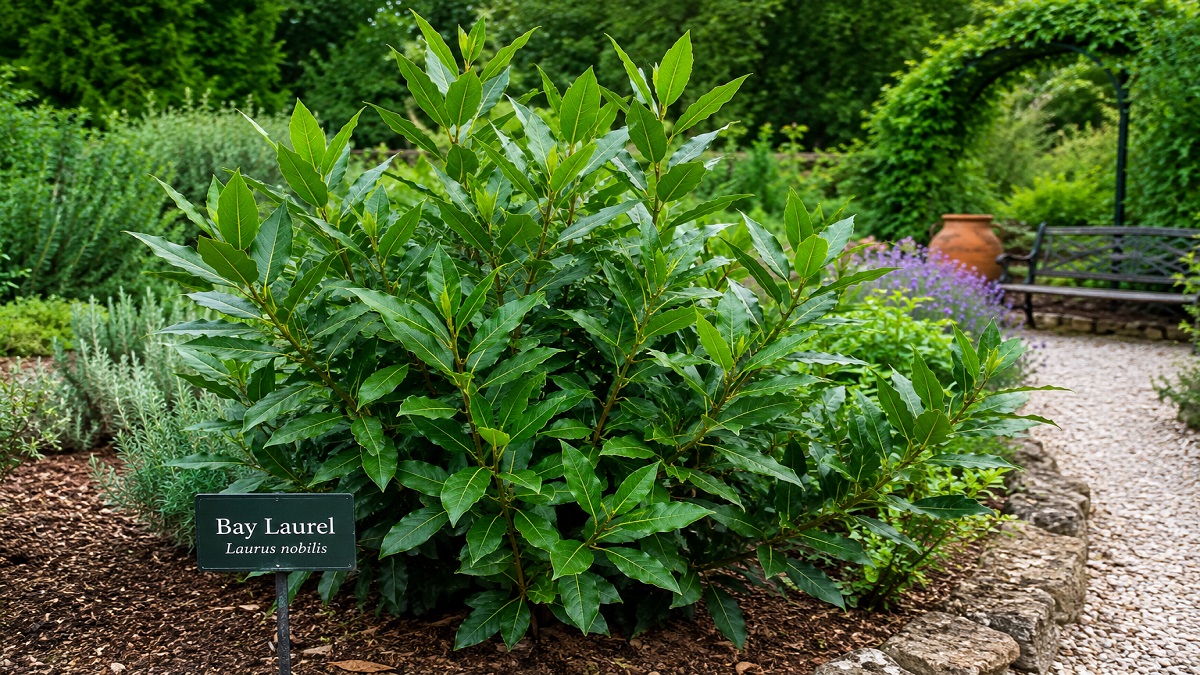
About Bay Laurel
Bay Laurel, also known as bay leaf, is an aromatic evergreen plant native to the Mediterranean region. Its glossy green leaves are widely used as a culinary herb to add subtle earthy, herbal, and slightly floral flavors to soups, stews, curries, rice dishes, and sauces. The leaves are usually added whole during cooking and removed before serving because they remain tough and sharp-edged even after simmering.
Beyond cooking, Bay Laurel has a long history in traditional medicine and symbolism. Its leaves and essential oils have been used for their potential antioxidant and anti-inflammatory properties, while in ancient Greece and Rome, laurel wreaths symbolized victory, wisdom, and honor. The plant grows best in warm climates with well-drained soil and can be cultivated as a shrub or small tree in home gardens.
Bay Laurel care is relatively simple, making it a good choice for gardens or container growing. It prefers full sun to partial shade and grows best in well-drained, slightly acidic to neutral soil. Water regularly during the growing season, but allow the top layer of soil to dry slightly between waterings, as overly wet roots can cause rot.
Feed the plant with a balanced fertilizer during spring and summer to encourage healthy leaf growth. Prune lightly to maintain shape and improve airflow, especially for potted plants. Protect Bay Laurel from frost and harsh cold, since it thrives in warm climates; in colder regions, growing it in containers allows easy indoor protection during winter. Watch for pests like scale insects, aphids, and spider mites, and remove affected leaves promptly.
Bay Laurel grows best in full sun to partial shade. Ideally, provide 6–8 hours of bright sunlight daily for strong growth and flavorful leaves. In very hot climates, some afternoon shade helps prevent leaf scorch. When grown indoors, place Bay Laurel near a bright south- or west-facing window where it receives plenty of light. If natural light is limited, a grow light can help maintain healthy growth.
Bay Laurel prefers well-drained, fertile soil rich in organic matter. It grows best in slightly acidic to neutral soil with a pH of 6.0–7.0. Good drainage is essential, as waterlogged soil can lead to root rot. For container growing, use a high-quality potting mix blended with compost, sand, or perlite to improve aeration and drainage. Avoid heavy clay soils unless amended with organic matter to loosen the structure.
Bay Laurel prefers moderate watering and does not like soggy soil. Water deeply when the top 1–2 inches of soil feel dry, allowing excess water to drain completely. Keep the soil slightly moist during active growth, but never waterlog the roots. Established plants are fairly drought-tolerant and need less frequent watering. For potted Bay Laurel, check moisture more often, especially in hot weather, since containers dry out faster. Reduce watering during winter when growth slows.
Bay Laurel thrives in warm temperatures between 15–27°C (59–80°F). It can tolerate brief cooler conditions, but prolonged temperatures below -5°C (23°F) may damage leaves and branches. In colder regions, protect the plant from frost or move container-grown plants indoors during winter.
This plant prefers moderate humidity but adapts well to average outdoor and indoor conditions. In very dry environments, occasional misting or placing the pot near a humidity tray can help prevent leaf drying, especially for indoor Bay Laurel.
Bay Laurel benefits from light, regular feeding during the growing season. Apply a balanced liquid fertilizer (such as 10-10-10 or 20-20-20) once every 4–6 weeks in spring and summer to support healthy leaf growth. For outdoor plants, adding compost or well-rotted manure around the base can provide slow-release nutrients. Avoid over-fertilizing, as too much nitrogen may encourage excessive soft growth and reduce leaf flavor. Reduce or stop feeding in autumn and winter when Bay Laurel growth slows.
Bay Laurel benefits from regular light pruning to maintain shape, encourage bushier growth, and improve airflow. Prune in spring or early summer, removing dead, damaged, or overcrowded branches. Pinching back new shoots can help the plant grow fuller and more compact.
For larger plants or trees, trim branches to control size and harvest mature leaves as needed. Avoid heavy pruning in late autumn or winter, as new growth may be vulnerable to cold damage. Always use clean, sharp pruning tools to prevent disease spread.
Bay Laurel can be propagated by seeds, stem cuttings, or air layering, though stem cuttings are the most common method for home gardeners. Take a 4–6 inch semi-hardwood cutting in late spring or summer, remove the lower leaves, and dip the cut end in rooting hormone before planting in a moist, well-draining propagation mix.
Keep the cutting in warm, humid conditions with bright indirect light, and maintain evenly moist soil until roots develop, which may take 6–12 weeks. Seed propagation is slower and less reliable, while air layering works well for mature Bay Laurel plants that are harder to root from cuttings.
Growing Bay Laurel from seed requires patience, as germination can be slow and inconsistent. Start with fresh seeds, since older seeds lose viability quickly. Soak the seeds in warm water for 24 hours before planting to help soften the seed coat and improve germination.
Sow seeds about ¼ inch deep in a seed-starting mix that is light and well-draining. Keep the soil consistently moist but not soggy and place the container in a warm spot with temperatures around 21–24°C (70–75°F). Germination may take 3–8 weeks or longer.
Once seedlings develop several true leaves, transplant them into individual pots with nutrient-rich, well-drained soil. Provide bright light, moderate watering, and gradual acclimation to outdoor conditions before planting outside.
Bay Laurel grows well in containers, making it ideal for patios or indoor spaces. Use a pot with good drainage holes and fill it with a well-draining potting mix enriched with compost or perlite. Choose a container slightly larger than the root ball to allow steady growth without holding excess moisture.
Repot young Bay Laurel every 1–2 years, or when roots become crowded and start circling the pot. Mature plants need repotting less often—about every 3–4 years—or you can refresh the top few inches of soil annually. Repot in spring to reduce stress and encourage healthy new growth.
Bay Laurel needs protection during winter, especially in regions with frost. If temperatures drop below -5°C (23°F), move container-grown plants indoors to a bright, cool location such as a sunny window, sunroom, or greenhouse. Keep the plant away from cold drafts and heating vents.
Reduce watering during winter, allowing the top layer of soil to dry between waterings since growth slows significantly. Avoid fertilizing until spring. For outdoor plants in mild climates, apply mulch around the base to insulate roots and use frost cloth during cold snaps to protect leaves and branches.
Bay Laurel produces small, pale yellow-green flowers in spring, though flowering is more common on mature outdoor plants than on young or indoor specimens. To encourage blooming, provide plenty of sunlight (6–8 hours daily), proper watering, and balanced nutrition without excessive nitrogen, which can promote leaf growth at the expense of flowers.
Keeping Bay Laurel slightly root-bound in a container can sometimes encourage flowering. Consistent care, seasonal temperature changes, and avoiding heavy pruning of mature branches also help support bud formation and blooming.
Bay Laurel is generally hardy but can still face a few common pests and problems. Scale insects, aphids, mealybugs, and spider mites may feed on leaves and stems, causing yellowing, sticky residue, or distorted growth. These pests can often be controlled with insecticidal soap, neem oil, or by wiping leaves clean.
Common diseases include root rot, usually caused by overwatering or poorly drained soil, and leaf spot, which may appear as brown or black patches on foliage. Good airflow, proper spacing, and avoiding waterlogged soil help prevent these issues. Other problems such as yellowing leaves, leaf drop, or slow growth are often linked to improper watering, low light, nutrient deficiency, or sudden temperature stress.
Related Guides
Bay Laurel FAQs
How often should I water Bay Laurel?
Water Bay Laurel when the top 1–2 inches of soil feel dry. Keep the soil slightly moist during active growth, but avoid overwatering since soggy soil can cause root rot. Reduce watering during winter.
Can Bay Laurel grow indoors?
Yes, Bay Laurel grows well indoors if placed in a bright location with 6–8 hours of sunlight. A south- or west-facing window works best, and grow lights can help if natural light is limited.
How fast does Bay Laurel grow?
Bay Laurel is a slow to moderate grower. It may take several years to reach its mature size, especially when grown in containers, but regular care and proper light encourage steady growth.
Can I use fresh Bay Laurel leaves for cooking?
Yes, fresh Bay Laurel leaves can be used in cooking, though they have a milder flavor than dried leaves. Always remove whole leaves before serving because they remain tough and sharp-edged.
Why are my Bay Laurel leaves turning yellow?
Yellow leaves are often caused by overwatering, poor drainage, low light, or nutrient deficiency. Check soil moisture, improve drainage, and ensure the plant receives enough sunlight.